What does a successful loan officer\u2019s daily schedule look like?
2026 Update: The Schedule Shift After HBPPA
The ideal loan officer daily schedule shifted in 2026 after HBPPA ended trigger leads. The old schedule heavily allocated time to inbound trigger lead callbacks. The new schedule shifts that time block to: (1) credit pull alert response (the highest-intent moment in the funnel), (2) past-client annual review touches, (3) Realtor partnership building, and (4) post-funded campaign management.
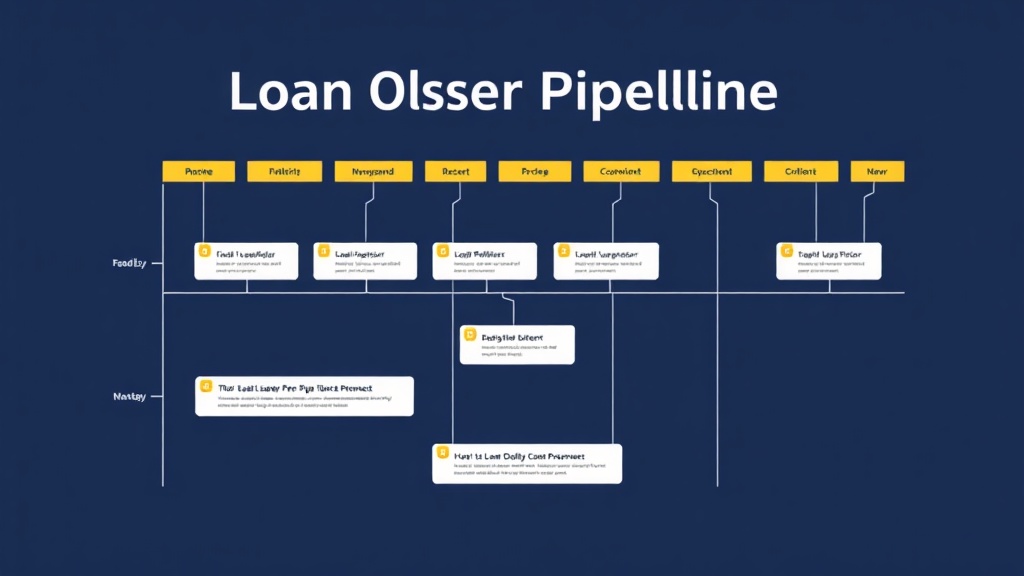
Top producers in 2026 run a 4-block day: 8-10am credit pull alert response + new lead intake, 10am-12pm Realtor calls + co-marketing, 1-3pm pipeline management + processing follow-up, 3-5pm past-client outreach + annual reviews. The shift is from inbound-flooded to outbound-disciplined. CRM with mobile alerts is now critical, not optional.
The ideal daily schedule for a high-producing loan officer.
A successful loan officer\u2019s day starts with reviewing the pipeline (30 minutes), early-morning lead follow-up (60 minutes), prospecting and Realtor outreach (60 to 90 minutes), client and processor communication (90 minutes), and afternoon application work (60 minutes). High performers reserve specific blocks for past-client engagement, treating CRM follow-up as a priority task rather than a reactive one.
Summary
This post article discusses how loan officers can structure their daily schedules for maximum productivity. Learn about essential time management practices, such as prioritizing client calls, maintaining organized follow-ups, and scheduling regular breaks to avoid burnout. By the end, you’ll know how to design a balanced, efficient workday that helps grow your business while maintaining personal well-being.
The average salary of the average mortgage loan officer according to many online portals is shockingly low in 2020. Just as it is for the average Realtor. In fact, it is so low that most may not be able to afford a mortgage themselves.
What Qualifies A Top Producing Loan Officer?
Those who are closing 30-100 loans each month. They can be easily making $25k to $250k each month. Check out some of the stats of top ranking mortgage originators here and it might completely blow your mind as to what is possible. You can also check out our full article on how to become a top producing mortgage lender here, for some tips and tricks to help you on your way.
If you are even going to just be in the top 10 in your state you probably have to be doing at least 10 closings per month. Even in the weaker states. So, what do top LOs do every day to make those numbers?
What does the daily schedule of a top producing mortgage loan officer look like?
1. Morning Routines
It may sound too ‘fluffy’ for some to believe, but you can’t get up to those numbers and maintain them very long unless you’ve really got your mind right. You’ve got to be able to control your mindset, be able to brush off a dozen emergencies with ease before lunch, and still be an unbelievable closer with a very high conversion rate day in and day out.
As with all top performing professionals most of this is won far before stepping foot in the office. Whether it is reading goals, journaling, running, meditation, or hitting the gym, top producers develop strong morning routines to set them up right for the day.
If you don’t think you have time for this, then you really don’t have time not to do it.
2. Marketing & Prospecting
Your performance, number of closed deals and income is directly tied to the number of new people you connect with each day. This is the most important task you can do. Talking to loan applicants is your highest ROI task, and will pay you the most dollars for every minute you put in.
If you’ve already automated your marketing or have a strong marketing team just turning in the leads hour after hour, then you’re set. If that’s not happening, then your most important job is to make those calls, send the DMs or get the marketing out there to get the phone ringing, the mortgage applications coming in online, and people to your mortgage website.
It may not be your favorite task, but it’s the most important. So, knock this out while you are fresh. Block out at least 2 hours in the morning to generate new leads. Don’t check your voicemail, Facebook, inbox, or entertain any meetings till this is done. Even if those are leads, they can wait till lunch time, they are already in your pipeline.
3. Catch Up & Delegating
Once your marketing and prospecting time is clocked, then you can check all your devices and messages. Hopefully your assistant has already filtered them for you. Return the most urgent. Catch up with your team and loan processors. Direct them on how to fix any hold ups.
Stop running the schedule manually
BNTouch’s dynamic groups trigger follow-ups when a borrower goes stale, so the catch-up block in your day runs itself.
Now you can take calls from prospective borrowers, current clients, and referral partners. Move them along in the pipeline.
Ready To See How BNTouch Can Take You To The Top?
5. Processing Loans
Inevitably you’ll probably have to jump in somewhere to fix things. You may have to pull your weight with underwriting to get an exception, get title issues waived, or make those really uncomfortable calls to placate borrowers and request the new crazy conditions the underwriter has thrown into the mix.
6. Follow Up
Follow up is a daily mission. Follow up with prospective customers, past clients, and referral sources. This probably involves emails, texts, phone calls, DMs, and even mail. It takes an average of seven contacts to get that first loan with a borrower or referral. Then it takes constant follow up to keep them as a lifetime customer or source. It’s great to add personal touches to this. Yet, you’ve got to automate if you are going to operate at scale. If you are in the business for 10 years, and are doing just 10 loans a month, that’s 1,200 past customers you need to connect with every month. Never mind all the new people.
7. Networking
Your income and net worth is directly related to the size of your network. The internet is awesome. You can make a great living just online. Yet, getting out to live networking events is a great way to build real relationships and loyalty and to funnel even more people to your digital mortgage apps and loan applications. Top LOs are out doing live networking at least a couple times a week. When you are not doing that, make sure you are at least networking online.
The follow-up gap is where deals die
Most loan officers lose past-client refinances because nobody reminds them to call. BNTouch’s automated touch sequences keep your database warm without the daily discipline.
There’s a ton of things to learn and master to become a top loan officer. Even if you are doing 30 closings a month, that isn’t going to last unless you are constantly learning and improving. Things move so fast. The website you did last year is probably already out of date, your mortgage competitors are putting new digital tools into play every day, and trends are changing. The best are spending time each day to read and build their sales skills, market knowledge, and tech savviness. Or they are taking time out regularly to complete new courses, and attend trade shows and conferences.
9. Decompression Time
Even with all the digital tools and a great team, the mortgage business is a high stress business. At least if you want to make real money, and do more than a few deals a month. That means top producers also must be just as diligent at decompressing and finding ways to distress. That might be making time for family dinners every night, weekly happy hours with friends, regular vacations, taking up yoga or getting out on your boat.
Conclusion
There’s a lot to do as a LO, from prospecting to sales to follow up, networking, solving conditions, and still managing to have a life. The more you can leverage technology to improve efficiency, productivity, and shift your time to more focus on just closing new borrowers the better. This is where you’ll make the leaps from average to top producer.
Key Takeaways
Prioritize high-impact tasks first:
Start your day with the most important activities like client follow-ups and lead generation, setting the tone for productivity.
Block time for administrative tasks:
Schedule specific slots for paperwork and routine work to prevent them from interfering with high-priority tasks.
Set measurable goals:
Having clear goals helps track progress and stay focused, ensuring you’re constantly moving towards achieving targets.
Commonly Asked Questions
How can loan officers structure their daily schedule for maximum productivity?
Loan officers should begin their day with high-priority tasks like lead generation and client outreach, followed by scheduled time for administrative work. Time blocking and setting measurable goals can help them stay organized and ensure they’re focusing on tasks that drive business success.
What are the most important tasks for loan officers to prioritize?
Lead generation, client follow-ups, and important meetings should be prioritized at the start of the day, as they significantly impact business growth. Administrative tasks can be scheduled later to avoid disruption to core activities.
Why is time blocking crucial for loan officers?
Time blocking ensures that loan officers focus on critical tasks without distractions, allowing them to stay organized and productive. It prevents administrative duties from interfering with more impactful activities like client communication and lead generation.
How do measurable goals help loan officers in their daily work?
Setting clear, measurable goals gives loan officers a target to work toward, helping them track progress and stay focused. It motivates them to meet their objectives and adjust strategies if needed to achieve desired outcomes.
Ready to see the full BNTouch product? Read the complete mortgage CRM overview with comparison table and pricing, or jump to the AI Mortgage CRM page for MAIA, Credit Pull Alerts, and retention workflow guidance to review with your compliance team.