Published January 28, 2026
Daily dashboard and record-linked work
Use this walkthrough to frame a daily review: tasks, status-driven work, tracker notes, and the activity connected to a record.

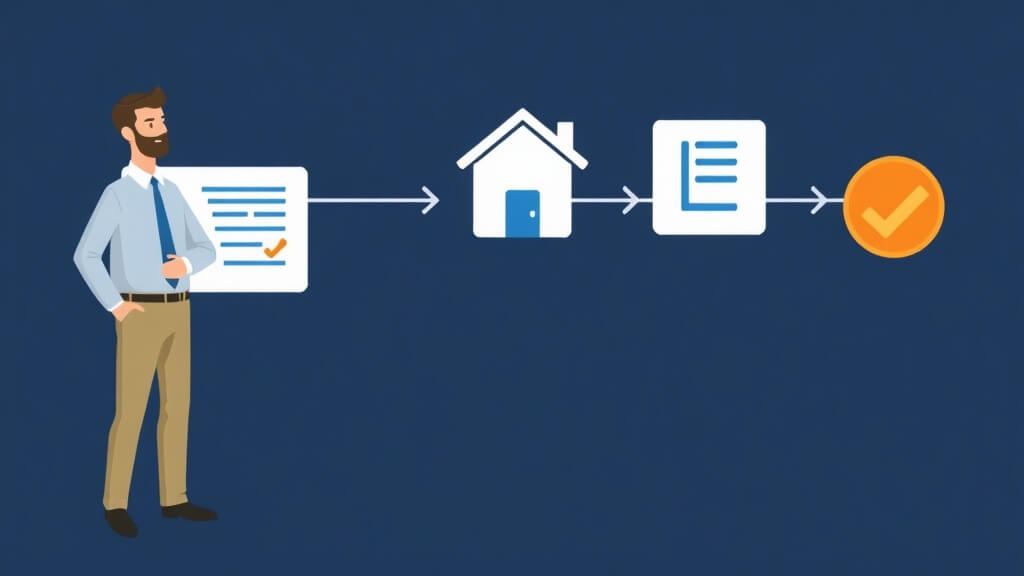
Short answer: A useful mortgage CRM training plan teaches roles through the scenarios they must complete, not through a generic tour of menus. A loan officer should practice identifying ownership, progressing a record, documenting an exception, and checking the next action using a safe training record before the workflow is expected to run in daily work.
Training fails when every role receives the same session and no one is asked to demonstrate an observable result. A role-based plan makes the handoff between loan officer, coordinator, manager, and partner-facing team member explicit.
| Role | Practice scenario | QA evidence |
|---|---|---|
| Loan officer | Review a new record, choose a next action, and document a meaningful update. | Record history and owner are understandable to another user. |
| Coordinator | Handle an incomplete or duplicate record without creating competing work. | Exception is visible and routed to the correct role. |
| Manager | Review a work queue and explain which records need attention. | Definitions match the underlying test records. |
| Trainer or support owner | Reproduce a question and document the answer path. | Known issue, owner, and follow-up are recorded. |
Start with a short context session that explains why the workflow exists. Follow it with scenario practice using an anonymized record. End with a QA review where the learner shows the completed record, next action, and exception path. Office hours should collect recurring questions, not substitute for the scenario test.
The CRM Pilot Plan provides a sequence for small-rollout evidence. The Pipeline Stages, Tasks, and Milestones guide helps learners distinguish the state of a record from the work that must happen next.
Next step: Bring two real operating scenarios to a BNTouch product consultation and use them to define the first training and QA session.
Training evidence: A scenario session is stronger when learners can see the record context, completed action, and review point before they practice it. The public BNTouch walkthroughs below provide visual context for three representative exercises.
Published January 28, 2026
Use this walkthrough to frame a daily review: tasks, status-driven work, tracker notes, and the activity connected to a record.
Published April 30, 2026
Use this campaign example to ask who owns the stage definition, when a record should enter the workflow, and what requires a human check.
Published April 24, 2026
Use this webinar to distinguish an audience or workflow category from a pipeline stage, then have the learner explain the corresponding record rule.
Scope: These videos demonstrate public workflow examples. They do not establish the configuration, permissions, data handling, communication requirements, implementation scope, or approved process for a particular account. Confirm those details in the organization's own training and configuration review.
Bring one representative, non-sensitive workflow to a product review and ask to trace the record, owner, next action, and exception path.