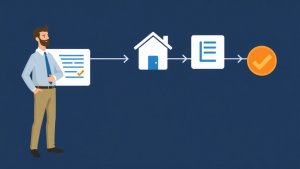
Short answer: CRM automation follows a predefined rule, such as creating a task when a record reaches a specified condition. AI assistance produces or prioritizes information using a model, which means the team must define inputs, human review, limitations, and what happens when the output is uncertain. Calling every automated workflow “AI” makes evaluation harder, not easier.
For loan officers, the practical question is not whether a label sounds advanced. It is whether a workflow has a visible trigger, an accountable owner, an understandable output, and a safe path when the record or recommendation is wrong.
A working distinction
| Question |
Rules-based automation |
AI assistance |
| What initiates it? |
A defined condition or event. |
Prompt, record context, model input, or configured evaluation. |
| What should be documented? |
Trigger, action, owner, stop condition. |
Inputs, intended output, human review, limitations, error path. |
| How is it tested? |
Repeatable test records should produce the expected action. |
Test representative outputs and review whether they are appropriate for use. |
| What happens when uncertain? |
Pause or route to an exception owner. |
Do not rely on the output without the defined human review path. |
See this in a live workflow: Bring one an automation-versus-AI workflow decision to a BNTouch demo. Ask how your team could preserve relationship context, assign an accountable owner, and surface the required next action or exception. Confirm current configuration and plan scope in the demonstration.
Verification questions to use in a demo
- What exact record data or user input does this use?
- What does the user see, and can they inspect the context behind it?
- Can the team correct, reject, or override the result?
- Which actions still require human approval?
- How are exceptions, missing data, and errors surfaced?
The AI Mortgage CRM Capability Index is the companion evaluation source. For rules-based workflow design, use the Workflow Documentation Template to make ownership and stop conditions explicit.
What this article does not claim
This definition does not claim that a model is available in a particular CRM, that it produces a particular outcome, or that it can make a lending, eligibility, or compliance decision. It is a comparison framework for asking better questions and keeping human accountability visible.
Next step: Bring one proposed AI or automation workflow to a BNTouch product consultation and document the trigger, inputs, output, review owner, and exception path before deciding how to use it.
Questions loan officers ask
What is the difference between CRM automation and AI?
Automation follows defined triggers and rules. AI may generate, classify, summarize, or recommend based on available information. A team should verify the input, output, reviewer, and exception path for either workflow.
When should a loan officer use automation instead of AI?
Use the approach that gives the team clear control over the decision and message. A repeatable task with a known rule may suit automation, while a variable draft or review task may need human oversight.
Sources and further reading