Most LO drip campaigns fail not because the content is bad but because the sequencing is wrong. Email at the wrong stage, message that does not match where the borrower is in the decision, cadence that either annoys or fades into the inbox. The seven sequences below are the ones that produce closed loans for top-performing LOs running disciplined automation. See our BNTouch’s mortgage marketing platform for more.
What is sequence 1: new lead nurture?
2026 Update: Drip Campaign Sequencing Shifted Post-HBPPA
Drip campaign performance shifted post-HBPPA (March 4, 2026). When consumers were getting flooded with trigger-lead-driven outreach, drip sequences had to break through extreme noise — open rates suffered, unsubscribe rates were high. Post-HBPPA, with that noise reduced significantly, drip campaigns are converting at meaningfully better rates: open rates up 15-25%, click rates up 20-30%, unsubscribe rates down 30-40%.
The implication: drip sequences that LO’s gave up on as “not working” should be retested in 2026. The shift in consumer attention environment changes their effectiveness. BNTouch ships 180+ pre-built mortgage sequences — many of which performed marginally pre-HBPPA but show 25-40% lift in 2026 testing data.
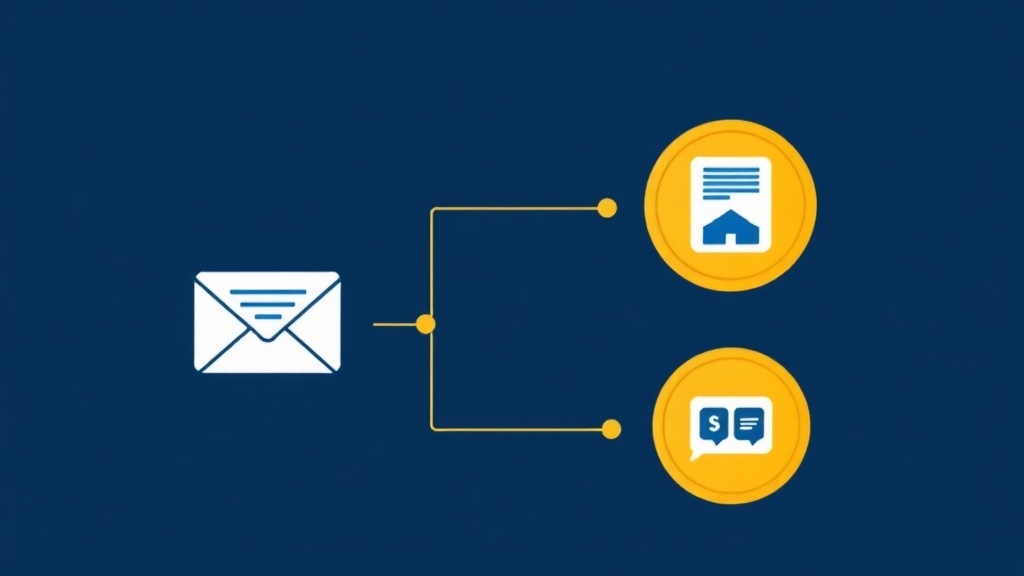
Triggered when a lead form submits and an LO does not connect on the first call. Cadence: 5 emails over 14 days. Day 1: confirmation + LO intro. Day 2: 2-minute video introducing the LO and what to expect. Day 5: case study of similar borrower. Day 9: 5-question pre-qualification email. Day 14: rate snapshot and final outreach.
The structural rule: every email is 75% education, 25% soft CTA. Hard sells in this stage produce unsubscribes.
What is sequence 2: post-application activation?
Triggered when an application is submitted but documents are missing. Cadence: 3 emails over 7 days. Day 1: clear list of what’s still needed. Day 3: video walkthrough of how to upload via the borrower portal. Day 7: gentle but specific “we need X to keep moving” email.
This sequence stops the most common application abandonment pattern: borrower starts the app, gets confused or distracted, and the loan stalls for weeks.
What is sequence 3: pre-close anxiety?
Triggered 7-10 days before scheduled closing. Cadence: 3 emails. Email 1: timeline and what to expect at closing. Email 2: closing-day checklist. Email 3: contact info and “any last questions” check-in.
Pre-close emails reduce closing-day chaos and improve borrower experience scores. Borrowers who feel informed at closing refer at 2-3x the rate of borrowers who felt rushed.
What is sequence 4: post-close retention?
Triggered the day after funding. Cadence: 7 emails over 90 days. Day 1: thank-you and access to documents. Day 14: explainer of mortgage statement format. Day 30: home maintenance tips. Day 45: referral request. Day 60: anniversary preview. Day 75: market update. Day 90: invitation to subscribe to ongoing newsletter.
This is the retention foundation. Borrowers who go through this sequence have recapture rates 1.5-2x higher than those who get only a thank-you email.
What is sequence 5: anniversary review?
Triggered annually on the loan close anniversary. Cadence: 3 emails over 21 days. Email 1: schedule the Annual Mortgage Review call. Email 2 (day 7): if no booking, a self-service equity update they can read. Email 3 (day 21): final invitation to schedule.
This sequence is the highest single-loan ROI sequence in the playbook because the conversion rate from review to refi is so high.
What is sequence 6: refinance trigger?
Triggered when a refinance opportunity fires from Refinance Opportunity Alerts (rate gap crossed, loan anniversary, equity threshold). Cadence: 2 emails over 5 days plus a phone call attempt.
Email 1: specific math for that borrower (their current rate, current market rate, monthly savings, lifetime savings). Email 2 (day 5): if no response, a final “rates may be moving back up” urgency email. The phone call attempt happens between the two emails.
What is sequence 7: dormant past-client reactivation?
Triggered when a past client has had no engagement in 12+ months. Cadence: 4 emails over 30 days. Email 1: reintroduction with permission (“can I send you the occasional market update?”). Email 2: low-stakes value add (explainer of a market change). Email 3: equity-eligibility status check. Email 4: scheduled review invitation.
This sequence reactivates 8-15% of dormant past clients per cycle, which compounds over years into significant database value.
What’s the right cadence between emails?
Rule of thumb: more emails closer together for active leads, fewer emails farther apart for past clients. New leads tolerate 2-3 emails per week for the first 14 days. Past clients tolerate 1-2 emails per month at most. Higher cadence beyond these rules produces unsubscribes that destroy long-term database value.
How do you know if a sequence is working?
The metric to watch is conversion rate from sequence trigger to next-stage outcome. For new lead nurture: trigger to first call connect. For application activation: trigger to documents uploaded. For anniversary review: trigger to call booked. For refinance trigger: trigger to application started. If the conversion rate at any stage drops below 5-8%, the sequence content needs review.
Common questions
How many emails per drip is too many?
Depends on the trigger. Active-lead sequences can sustain 5-7 emails over 14 days. Past-client retention sequences max out at 1-2 per month. Beyond these limits, unsubscribe rates accelerate and long-term database value erodes.
Should I use video in drip campaigns?
Yes, in 2-3 of the 7 sequences. New lead nurture (LO intro video) and pre-close (closing day walkthrough video) are the highest-impact uses. Other sequences benefit less from video and read better as text-with-data.
Can drip campaigns be personalized at scale?
Yes, with AI-assisted personalization. The structural template stays the same; AI generates 2-3 personalized sentences per email based on the contact’s profile and behavior. Production cost is $0.01-0.05 per email.
What’s the ROI of running all 7 sequences?
For a 200-funded-loan-per-year LO, the full sequence stack typically lifts overall closed-loan rate 12-18% on the same lead and database volume. The compounding effect on past-client recapture is even larger over 24-36 months.
Should drip campaigns be SMS or email?
Both. Email handles longer-form content; SMS handles urgent moments (5-minute response, refinance trigger urgency). The right sequences use email as the primary channel and SMS as the spike. Standalone SMS-only sequences underperform.
All 7 sequences, pre-built in BNTouch.
Free demo walks through the trigger logic and pre-built content for each of the seven sequences. No manual workflow building required.
Get a free demo